Spending time, spending money
April 30, 2026
Like most, I fell into the retirement industry, and over the last 30-plus years, I fell out with it on several occasions.
I get it that when you're inside a bubble, it's hard to see the flaws, but I have always felt like an outsider; indeed, this is my super strength: being part of something whilst feeling alien to it.
Most of my 30-plus years were spent in the accumulation phase of my pension. Before auto-enrollment, getting people to join their workplace pension was a challenge. Night shifts and abattoirs sharpen your human skills as you work with real people who sit well outside your bubble.
That led to my passion for communication. Trying to create a narrative around why to save, leading me on my journey to Maslow's hierarchy of needs and eventually to the pivot that this saving was for retirement itself.
I created 60 Pay Days to retirement. The premise is to start preparing for what's next as you approach it, not when you get there. 60 Pay Days highlighted steps to consider, like time itself, health, house maintenance, "despending" and whilst you may have the highest disposable income possible, ticking off aspirational spend. Also, the ability to allow yourself a guilt-free honeymoon period in the first stage of retirement, which I called the Moonment.
What came next was using Maslow to look at how I would need to spend money in my new world, from basic utilities to aspirations and everything in between, mapped over shifting health.
What is immediately different and should obviously come as no surprise is that you have no employer, no wage, no employee benefits, no work colleagues and no IT team. You are on your own, and despite even my 60 Paydays preparation, this was more of a surprise than it should have been.
And this, in my humble opinion, is the crux of the retirement problem. My working life is about the majority of my wages flowing in and out of a bank that provides products for my journey through marriage and kids, et al. The rest is put aside in a pension provider for my future self.
But what the pension provider categorically fails to do is step into my retirement space. It has created product infrastructure to build a pot that doesn't understand me or my retirement needs.
I don't need a bank and work-life products; I need a provider who helps me understand how to spend money in retirement, creates a community for me to learn and understand what is happening in retirement, and uses economies of scale to create discounts and rewards aligned with my Maslow spending pattern. It's about physical and mental health and not just wealth.
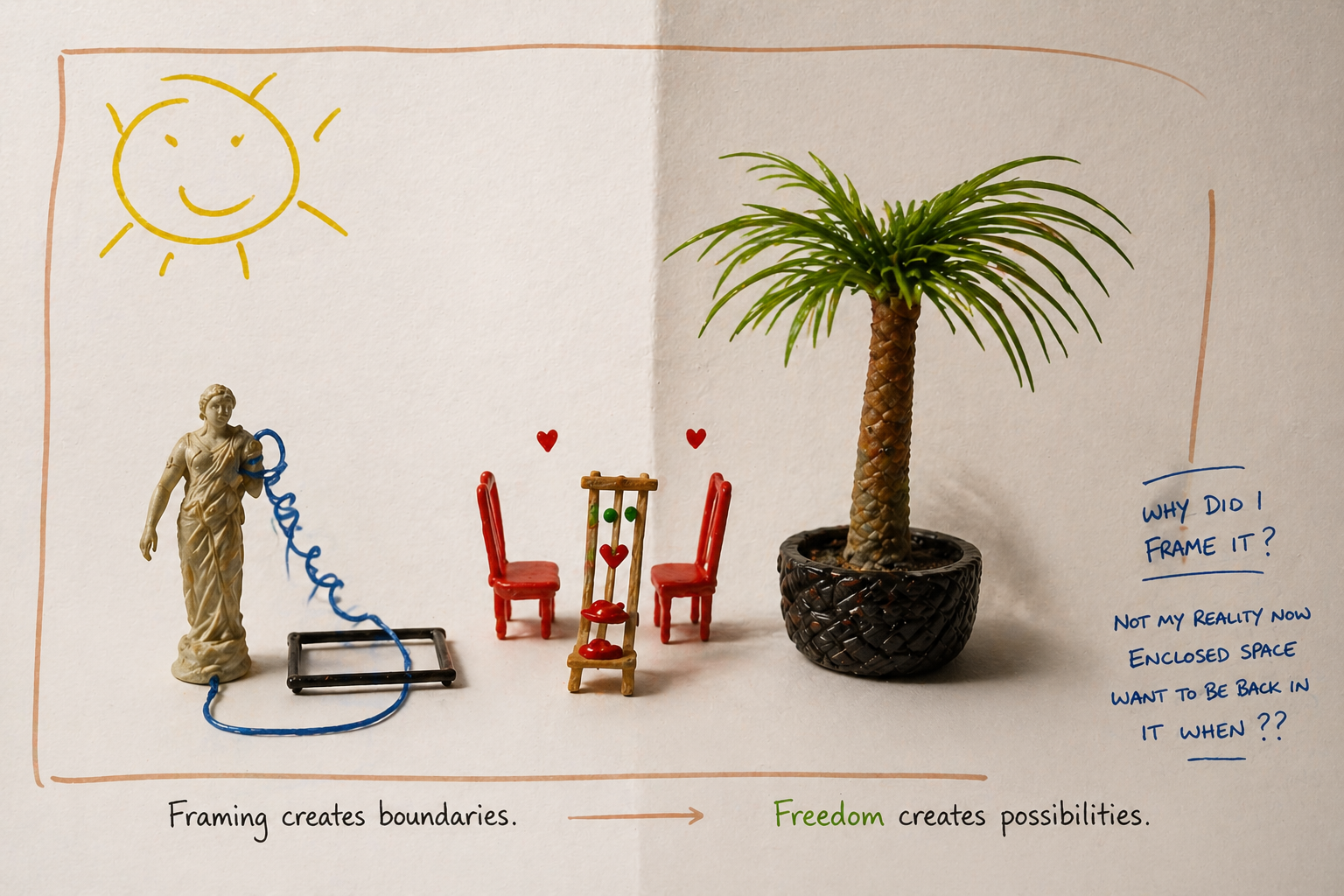
I want freedom in my retirement to make decisions about what I do and how I do it. Still, even freedom needs nudges and prompts to ensure I remain free, not tied to what may be a life of subsistence, and to avoid it if it all goes wrong. Using 60 pay-outs to manage the expectations of what becomes a reality.
There are no pockets on a shroud. My dad always tells me he is 98 and to not live a life of regret. Embrace the change, but do it hand in hand with someone you can trust. The saddest question is, who is that trusted partner in retirement, and more importantly, should it be you?
Contributor: Damian Stancombe



© 2026, Financial Freedom Services LTD. 16729560. All rights reserved.
This website is intended solely for pension providers, trustees, and institutional partners evaluating Freedom's infrastructure solutions. It is not directed at, and should not be relied upon by, pension scheme members or individual consumers. Some products and features referenced on this site are in development and not yet available. These are presented to illustrate Freedom's intended proposition and roadmap. They should not be construed as currently available offerings. Availability is subject to regulatory approval, partner integration, and eligibility criteria. If you are a pension scheme member seeking information about your retirement savings, please contact your pension provider directly.